PCOS Chin Hair Removal: Permanent Options in Phoenix Area

If you’ve ever checked your chin in the car mirror and found another coarse hair that seemed to appear overnight, you’re not imagining how frustrating it feels. Hormonal hair growth can be persistent, emotional, and hard to manage with shaving or plucking alone.
That’s why PCOS chin hair removal deserves a different conversation than ordinary facial hair removal. PCOS-related chin hair often comes from androgen-driven growth, which means the goal isn’t just removing visible hair today. It’s choosing a plan that can keep up with new growth cycles while protecting sensitive facial skin.
The Office on Women’s Health notes that PCOS affects about one in ten women of childbearing age, and excess hair on the face or chin is one of its common symptoms. For many adults in Phoenix, Scottsdale, Glendale, Peoria, Mesa, Tempe, and the Greater Phoenix area, the real question is simple: what actually works long term?
At a Glance: PCOS Chin Hair Removal Options
| Method | Best For | Main Limit | Long-Term Value |
|---|---|---|---|
| Shaving | Quick daily control | Stubble, irritation | Low |
| Waxing | Short breaks between growth | Ingrowns, redness | Low to moderate |
| Threading | Precise shaping | Frequent upkeep | Low to moderate |
| Laser | Darker hair reduction | Not ideal for light hair | High for right candidates |
| Electrolysis | All hair colors | Needs consistency | Highest for permanence |
Why PCOS Chin Hair Can Be So Persistent
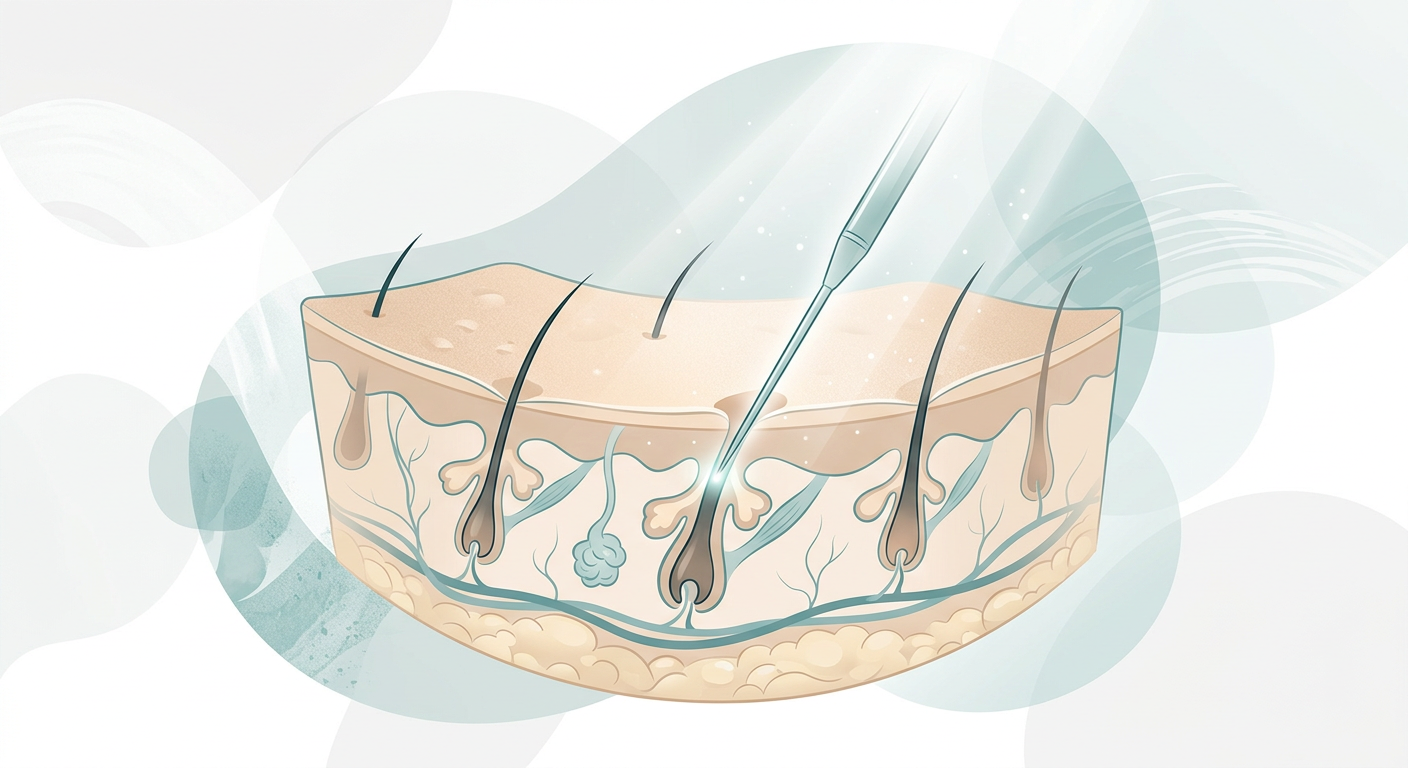
PCOS can raise androgen activity, and androgens can stimulate coarse, dark hair in areas such as the chin, jawline, upper lip, chest, and abdomen. This type of growth is called hirsutism, and it can feel especially discouraging because removing the hair doesn’t automatically change the hormonal signal behind it.
Here’s the thing: temporary methods aren’t failing because you’re doing them wrong. Shaving cuts the hair at the surface, waxing pulls it from the follicle, and tweezing removes one hair at a time. None of those methods permanently disables the follicle’s ability to grow hair again.
That’s why a strong PCOS plan often combines medical support with professional hair removal. If you’ve noticed rapid new growth, irregular periods, acne changes, scalp thinning, or sudden worsening facial hair, it’s smart to speak with a healthcare provider or endocrinology specialist.
Electrolysis vs. Laser for PCOS Chin Hair Removal
Both laser and electrolysis can be useful, but they do different jobs. The right choice depends on your hair color, skin tone, density, sensitivity, and how much permanent clearance you want.
Electrolysis for Permanent Removal
Electrolysis treats individual follicles with a fine probe and controlled energy. It’s especially valuable for chin hair because it can target coarse hairs, scattered hairs, blonde hairs, gray hairs, white hairs, and finer hairs that laser may not treat well.
The American Electrology Association states that electrolysis is the only hair removal method recognized as permanent by the U.S. Food and Drug Administration. That distinction matters for PCOS clients because the chin often has mixed hair colors and growth stages.
At Senza Pelo Med Spa, clients often learn about Electrolysis Permanent Hair Removal when they want a long-term alternative to daily shaving, tweezing, waxing, and makeup coverage. The process requires regular visits, but each correctly treated follicle is addressed at the root.
Laser Hair Removal for Reduction
Laser hair removal works by targeting pigment in the hair. For people with dark chin hair and appropriate skin-hair contrast, laser can reduce a larger area more quickly than electrolysis.
The Endocrine Society suggests photoepilation for unwanted auburn, brown, or black hair, and electrolysis for unwanted white or blonde hair. This is one reason many PCOS clients use a combination approach, laser to reduce dense dark hair, then electrolysis to finish lighter or resistant hairs.
If your chin and jawline have dark, coarse growth, Laser Hair Removal Phoenix may be part of your plan. If you have light hair, gray hair, or scattered hormonal hairs, electrolysis is usually the more complete option.
What to Expect From a Professional PCOS Hair Plan
A good plan starts with a detailed consultation, not a one-size-fits-all package. Your provider should look at the hair pattern, skin sensitivity, prior methods, medications, history of ingrowns, and your comfort level.
For PCOS chin hair removal, consistency is everything. Hair grows in cycles, so one visit can’t reach every follicle at the perfect stage. You’ll usually need a schedule that starts more frequently, then spaces out as active growth decreases.
Why Tweezing Can Slow Progress
Tweezing feels satisfying in the moment, but it can make professional scheduling harder. When you pull the hair out, the provider may not have a visible hair to treat during electrolysis, and laser needs the follicle target to be in the right condition.
Trimming or shaving is usually a better bridge between visits. It keeps the area neat without disrupting the follicle the same way plucking or waxing can.
How Skin Care Fits In
The chin is prone to redness, irritation, ingrown hairs, and post-inflammatory marks, especially if you’ve been shaving daily or waxing often. Gentle cleansing, sunscreen, and avoiding harsh actives around appointments can help support calmer skin.
If you also struggle with razor bumps or texture, professional Med Spa Services Phoenix may complement your hair removal plan. Skin health and hair removal work best when they’re planned together, not treated like separate problems.
Best Candidates for Electrolysis, Laser, or Both
Electrolysis is a strong fit if you want permanent removal, have blonde, gray, red, white, or mixed chin hairs, or need precision around the chin and jawline. It’s also useful after laser when a few resistant hairs remain.
Laser may be a strong fit if your chin hair is dark and dense, and your provider has technology appropriate for your skin tone. It can cover a broader area quickly, which can be helpful when hormonal growth extends along the jaw or neck.
A combination plan may be best if you have dense dark hair plus scattered lighter hairs. That’s common with PCOS, and it’s why personalized planning matters more than choosing a method based only on online advice.
Common Mistakes That Make Chin Hair Feel Worse
The first mistake is waiting until your skin is inflamed before asking for help. Daily shaving, aggressive exfoliation, and frequent waxing can create a cycle of redness and ingrowns that makes the hair feel even more noticeable.
The second mistake is expecting instant permanence. Even the best permanent hair removal plan needs multiple visits because hair cycles are biological, not cosmetic.
The third mistake is ignoring the medical side. Hair removal can address existing follicles, but PCOS management with a qualified healthcare provider may help reduce the pace of new hormonally driven growth.
Plan Your PCOS Chin Hair Consultation in Phoenix
If you’re ready to compare electrolysis, laser, or a combined plan, schedule a private consultation with Senza Pelo Med Spa. The team has served Phoenix since 1982 and helps clients across Scottsdale, Paradise Valley, Glendale, Peoria, Mesa, Tempe, and the Valley build personalized plans for facial hair and hormonal hair growth.
Call (602) 246-1966 or Schedule Your Appointment online to discuss your goals, skin type, hair type, and timeline.
FAQs About PCOS Chin Hair Removal
Is electrolysis better than laser for PCOS chin hair?
Electrolysis is better when your goal is permanent removal, especially for light, gray, blonde, red, or scattered chin hairs. Laser can be helpful for reducing dense dark hair, so some PCOS clients benefit from both.
Can PCOS chin hair be removed permanently?
Existing hairs can be permanently treated with electrolysis when the follicle is properly disabled. PCOS can still stimulate new follicles over time, which is why consistency and medical support are important.
How many sessions will I need?
It depends on hair density, prior tweezing or waxing, hormones, and the size of the area. Many clients start with regular appointments, then reduce frequency as visible growth improves.
Should I stop plucking before electrolysis?
Yes, it’s usually best to stop plucking or waxing before electrolysis. Trimming or shaving is often preferred because the hair needs to be visible enough for accurate treatment.
Does laser work on blonde or gray chin hair?
Laser is usually less effective on blonde, gray, white, or very light hair because it targets pigment. Electrolysis is typically the better choice for those hair colors.
Is PCOS chin hair removal safe for sensitive skin?
Professional treatment can be appropriate for sensitive skin when settings, timing, and aftercare are customized. A consultation helps identify irritation risk, pigmentation concerns, and the right method for your skin.
When should I talk to a doctor about chin hair?
Talk with a healthcare provider if facial hair appears suddenly, worsens quickly, comes with irregular periods, acne changes, scalp hair thinning, or other hormone-related symptoms. Hair removal can help cosmetically, but medical guidance helps address the bigger picture.
The Bottom Line on PCOS Chin Hair
PCOS chin hair can feel personal, but it’s also common, treatable, and worth addressing with a plan that respects both your skin and your hormones. Temporary fixes can help for a day or two, but electrolysis and laser offer stronger long-term options when they’re chosen for the right hair type.
If you’re tired of planning your day around tweezers, razors, or hiding irritation, a professional consultation can help you understand what’s realistic. The best plan is steady, personalized, and built around your actual growth pattern.
About Senza Pelo Med Spa
Senza Pelo Med Spa has been serving Phoenix since 1982 and is one of Arizona’s most experienced providers of Electrolysis, Laser Hair Removal, and Permanent Hair Removal services.
We specialize in helping clients achieve long-term results through customized treatment plans, advanced technology, and personalized care.
Call (602) 246-1966 or Book Your Appointment Online today.