
How to Get Rid of Chronic Ingrown Hairs for Good in Phoenix AZ

If you keep dealing with painful bumps after shaving, waxing, tweezing, or trimming, you’re not imagining it. Some ingrown hairs are occasional annoyances, but chronic ingrowns can become a cycle of inflammation, dark marks, tenderness, and frustration.
The real question isn’t just how to calm the bump you have today. It’s how to get rid of chronic ingrown hairs by addressing the habits, hair growth patterns, and follicle irritation that keep bringing them back.
For adults in Phoenix, Scottsdale, Glendale, Peoria, Mesa, Tempe, Paradise Valley, and the Greater Phoenix area, this can be especially challenging because heat, sweating, friction, and frequent grooming can make irritated follicles feel worse. The good news is that a smarter plan can help you reduce flare-ups and move toward smoother, healthier-looking skin.
Chronic Ingrown Hair Solutions at a Glance
| Solution | Best For | Longevity | Main Limitation |
|---|---|---|---|
| Better shaving habits | Mild ingrowns | Temporary | Requires constant upkeep |
| Gentle exfoliation | Clogged follicles | Ongoing support | Can irritate if overdone |
| Topical treatment | Redness and bumps | Short-term relief | Doesn’t stop regrowth |
| Laser hair removal | Darker unwanted hair | Long-term reduction | Not ideal for every hair color |
| Electrolysis | Any hair color | Permanent removal | Treats follicles individually |
Why Ingrown Hairs Keep Coming Back
Ingrown hairs happen when a hair grows back into the skin instead of rising cleanly out of the follicle. This can create a bump that looks like acne, feels sore, or becomes darker than the surrounding skin after inflammation fades.
Chronic ingrowns are more common in areas where hair is coarse, curly, or frequently removed. Think beard and neck lines, chin, upper lip, bikini line, underarms, chest, back, and inner thighs. Shaving too closely, waxing repeatedly, tweezing, tight clothing, and dead skin buildup can all make the cycle worse.
A helpful medical term to know is pseudofolliculitis barbae, often called razor bumps. A review published through the National Library of Medicine notes that pseudofolliculitis barbae is especially common in men of African ancestry, affecting an estimated 45% to 83% of that population, which shows how strongly hair texture and shaving practices can influence chronic bumps. National Library of Medicine
First, Calm the Current Bump Without Making It Worse
Here’s the thing: the fastest way to make an ingrown hair worse is to dig at it. Picking, squeezing, or using unclean tweezers can cause scabbing, infection, scarring, and post-inflammatory dark spots.
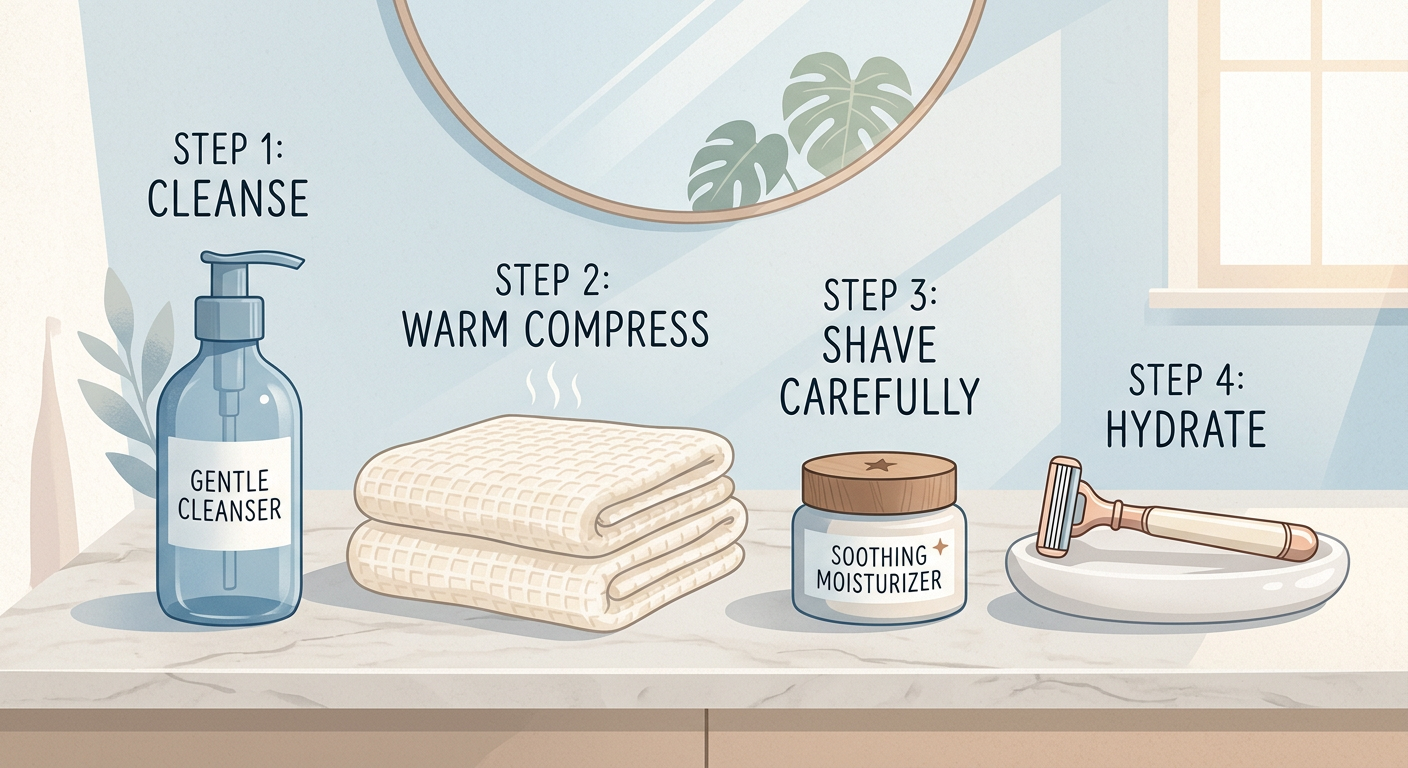
Start with a warm compress for 10 to 15 minutes to soften the skin. Then cleanse gently, avoid shaving directly over the bump, and give the area a break from waxing or tweezing. If the hair loop is visible at the surface, a clean approach may help, but if it’s deep, painful, swollen, or draining, it’s time to contact a medical professional.
Cleveland Clinic notes that most ingrown hairs heal on their own within one to two weeks, but infection can develop with pus, pain, or discoloration. Cleveland Clinic
Build a Prevention Routine That Supports the Follicle
Exfoliate Gently, Not Aggressively
Exfoliation helps remove dead skin that can trap new hair growth, but more isn’t always better. Over-scrubbing can create micro-irritation that leaves skin more reactive.
Use a gentle chemical exfoliant or mild wash a few times per week, depending on your skin’s tolerance. If your skin burns, stings, or gets shiny and tight, back off and focus on barrier repair with a fragrance-free moisturizer.
Change How You Shave
If you still need to shave, prep matters. Hydrate the skin first, use shaving cream or gel, shave with the grain, and avoid stretching the skin tight for an ultra-close pass.
Use a clean, sharp blade and avoid repeated strokes over the same area. For neck, beard line, bikini line, and underarms, an electric trimmer that leaves a tiny amount of length can be less irritating than a close razor shave.
Stop Tweezing Problem Areas
Tweezing may feel satisfying in the moment, but it can distort the follicle and encourage uneven regrowth. If you’re prone to chronic ingrowns on the chin, jawline, upper lip, or neck, repeated tweezing often keeps the problem going.
Clipping or shaving between professional treatments is usually a better choice than pulling hairs from the root. That’s especially true if you’re planning laser hair removal or electrolysis.
When At-Home Care Isn’t Enough
If you’re asking how to get rid of chronic ingrown hairs because you’ve tried every scrub, serum, razor, and routine, the missing piece may be hair reduction or permanent hair removal. Ingrown hairs are tied to active hair growth, so reducing or eliminating the follicle’s ability to produce hair can dramatically reduce the trigger.
The American Academy of Dermatology explains that laser hair removal can help with concerns like razor burn and ingrown hairs, especially when unwanted hair growth is part of the ongoing irritation. American Academy of Dermatology
Cleveland Clinic dermatologist Dr. Alok Vij also recommends considering alternatives when ingrowns persist, and Cleveland Clinic quotes dermatologist Dr. Shilpi Khetarpal Bullard saying, “Laser hair removal is safe and effective on all skin types.” Cleveland Clinic Health Essentials
Laser Hair Removal vs. Electrolysis for Chronic Ingrown Hairs
Laser Hair Removal for Larger Areas
Laser hair removal is often a strong option for larger areas with darker hair, including the neck, back, chest, underarms, bikini line, legs, and beard shaping areas. It targets pigment in the hair follicle, which can reduce future growth and lower the chance of hair curling back into the skin.
For many clients, professional Laser Hair Removal Phoenix treatments are a practical long-term option when shaving creates constant irritation. It’s especially helpful when the goal is reduction across a broader area rather than removal of a few individual hairs.
Electrolysis for Permanent Hair Removal
Electrolysis treats one follicle at a time and can work on hair colors that laser may not target well, including blonde, gray, white, and some red hairs. It’s commonly used for facial hair, hormonal hair growth, PCOS-related hair, transgender hair removal, and precise areas where permanent removal is the goal.
If you want a true permanent solution for specific recurring hairs, Electrolysis Permanent Hair Removal may be the better fit. It can also be combined with laser in a customized plan, depending on your hair color, skin tone, treatment area, and long-term goals.

Special Considerations for Phoenix Skin
Living in the Valley means sun exposure is a daily factor, even when you’re just driving across town. Irritated skin is more vulnerable to discoloration, so SPF and sun avoidance after treatment are important.
Sweat and friction can also aggravate fresh bumps. If you’re prone to ingrowns along the bikini line, underarms, thighs, or beard area, wear breathable clothing after grooming or professional treatments and avoid intense heat, hot tubs, and heavy workouts when your skin is freshly treated.
For clients with deeper skin tones or a history of dark marks, a professional plan matters. The goal isn’t just fewer hairs, it’s protecting the skin while reducing the trigger that causes bumps in the first place.
A Practical 30-Day Plan for Fewer Ingrown Hairs
Week 1: Pause the Irritation Cycle
Stop waxing, tweezing, and shaving over active bumps. Use warm compresses, gentle cleansing, and fragrance-free moisturizer while the skin calms down.
If you notice spreading redness, significant pain, pus, warmth, fever, or a growing cyst-like bump, contact a healthcare provider. Chronic doesn’t mean you should ignore signs of infection.
Week 2: Upgrade Your Grooming Method
Switch to a clean single-blade razor or electric trimmer if close shaving is the problem. Shave with the grain, avoid dry shaving, and moisturize after.
Add gentle exfoliation only if your skin is calm. If bumps worsen, simplify your routine instead of adding more products.
Week 3: Track Your Triggers
Notice where ingrowns appear, how soon they show up after hair removal, and which methods make them worse. Patterns can help determine whether you need laser, electrolysis, skincare support, or a combination.
This is also a good time to review professional options and pricing. You can view treatment pricing before booking a consultation.
Week 4: Choose a Long-Term Strategy
If ingrowns keep coming back in the same areas, it’s time to think beyond temporary fixes. Laser hair removal and electrolysis address the follicle itself, which is why they’re often more effective for chronic cases than changing razors forever.
A professional consultation can help you understand whether laser, electrolysis, or a combined plan is the right next step.
Ready for Smoother Skin in Phoenix?
If chronic ingrown hairs are affecting your face, neck, bikini line, underarms, chest, back, or legs, Senza Pelo Med Spa can help you explore long-term options with personalized care. Call (602) 246-1966 or Schedule Your Appointment to discuss laser hair removal, electrolysis, and ingrown hair reduction options in Phoenix.
Frequently Asked Questions
What is the fastest way to get rid of an ingrown hair?
The fastest safe approach is to calm inflammation with a warm compress, gentle cleansing, and avoiding further shaving or picking. If the hair is visible at the surface, it may release naturally, but deep, painful, or infected bumps should be handled by a professional.
Why do I keep getting ingrown hairs in the same spot?
Recurring ingrowns often happen because the hair grows at an angle, curls back into the skin, or gets trapped by dead skin and inflammation. Repeated shaving, waxing, or tweezing can keep irritating the same follicle.
Does laser hair removal help chronic ingrown hairs?
Yes, laser hair removal can help reduce chronic ingrown hairs by reducing active hair growth in the treated area. It’s usually best for darker hair and larger areas like the neck, bikini line, underarms, chest, back, and legs.
Is electrolysis better than laser for ingrown hairs?
It depends on the hair and area. Electrolysis is ideal for permanent removal of individual hairs and works on all hair colors, while laser is often faster for reducing darker hair over larger areas.
Can PCOS cause more ingrown hairs?
PCOS can contribute to excess or coarse facial and body hair, which may increase shaving, tweezing, and waxing. More frequent hair removal can raise the risk of irritation and ingrown hairs.
Should I exfoliate every day to prevent ingrown hairs?
Usually, no. Daily exfoliation can irritate the skin and worsen inflammation. Most people do better with gentle exfoliation a few times per week, plus moisturizing and less aggressive hair removal.
When should I see a professional for ingrown hairs?
See a professional if bumps are painful, infected, cyst-like, leaving dark marks, or coming back despite careful home care. You should also get guidance before starting laser or electrolysis if you have sensitive skin or frequent irritation.
The Long-Term Takeaway
Chronic ingrown hairs aren’t just a grooming problem. They’re a follicle problem, and the best plan usually combines calmer skin care, less traumatic hair removal, and a long-term strategy for reducing or permanently removing the hairs that keep causing bumps.
If your skin is constantly reacting, don’t keep blaming yourself or buying another random scrub. A thoughtful plan can help you protect your skin, reduce irritation, and feel more comfortable in your daily routine.
About Senza Pelo Med Spa
Senza Pelo Med Spa has been serving Phoenix since 1982 and is one of Arizona’s most experienced providers of Electrolysis, Laser Hair Removal, and Permanent Hair Removal services.
We specialize in helping clients achieve long-term results through customized treatment plans, advanced technology, and personalized care.
Call (602) 246-1966 or Book Your Appointment Online today.