
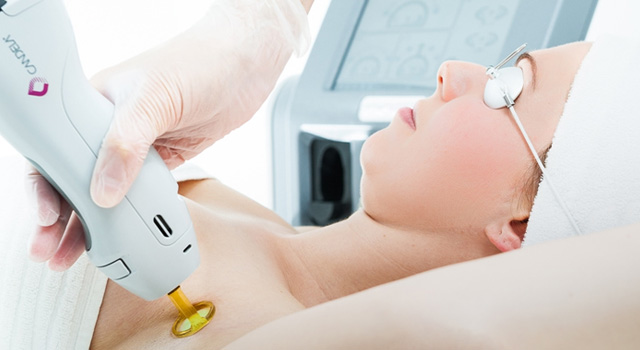
A smoother routine can mean more than putting away the razor for a few days. For people who shave their legs, underarms, bikini line, chest, back, or other areas repeatedly, full body laser hair removal Phoenix treatments can offer a practical path toward long-term hair reduction and fewer ingrown hairs.
Still, “full body” is not a standardized service. Your ideal plan depends on which areas matter most, the color and density of your hair, your skin tone, your schedule, and whether your goal is significant reduction or complete removal of remaining hairs. We help clients from Phoenix, Scottsdale, Paradise Valley, Glendale, Peoria, Mesa, Tempe, and across the Greater Phoenix area understand those differences before beginning treatment.
What Full Body Laser Hair Removal Usually Includes
Full body laser hair removal generally means treating several large and small areas in a coordinated plan. Exact package areas vary by provider, so it is important to confirm what is included before you commit.
| Area Group | Common Treatment Areas | Why Clients Choose It | Best Hair Type |
|---|---|---|---|
| Upper body | Underarms, chest, stomach, back | Less shaving and irritation | Dark, coarse hair |
| Lower body | Legs, feet, toes | Less daily maintenance | Dark, noticeable hair |
| Intimate areas | Bikini line, Brazilian area | Fewer bumps and regrowth | Coarse pigmented hair |
| Face and neck | Lip, chin, beard line, neck | Easier grooming | Depends on hormones |
A plan may include nearly all of these areas, or it may prioritize the areas creating the most frustration. For example, someone dealing with razor bumps on the bikini line may start there and add underarms or legs later. A man with dense back, chest, and neck hair may focus on upper-body areas first.
The important distinction is this: laser is designed for long-term hair reduction, not a promise that every follicle will never produce another hair. The FDA describes permanent reduction as a stable, long-term decrease in regrowing hair measured after a completed treatment regimen. FDA guidance explains that standard clearly.
How Laser Hair Removal Works Across Multiple Areas
Laser treatment uses concentrated light energy that is absorbed by pigment in the hair. That energy heats the targeted follicle to reduce its ability to regrow hair. Because the hair-growth cycle differs across the body, treatment is scheduled as a series rather than a single appointment.
A series of laser visits is generally needed, with possible maintenance. Hair, skin, area and treatment response determine the schedule. Your provider should give an individual assessment rather than a universal session count.
For large treatment areas, a professional laser can make the process far more efficient than treating hairs one by one. That is why laser is often a strong option for legs, arms, back, chest, abdomen, underarms, and bikini areas with dark, coarse hair.
Why Sessions Are Spaced Out
Only hairs in an active growth phase respond optimally to laser energy. Some follicles are resting while others are actively producing visible hair, so spaced appointments allow us to address new active growth over time.
Skipping too far ahead or waxing between appointments can interfere with that process. We usually recommend shaving rather than waxing, plucking, threading, or using an epilator because the follicle needs hair pigment present for laser targeting.
Is Full Body Laser Hair Removal Right for You?
A consultation should never be a quick guess based on a package name. We consider your skin tone, hair color, medical history, medications, recent sun exposure, target areas, sensitivity, and previous hair-removal routine.
Laser typically responds best to brown or black hair because it relies on pigment. Blonde, gray, white, and red hairs do not contain enough target pigment for predictable laser results. Hormonal facial hair, including PCOS-related chin and upper-lip growth, can also require maintenance or a different approach as hormones may continue to activate new follicles.
For these finer, lighter, or resistant hairs, Electrolysis Permanent Hair Removal is often the better finishing treatment. Electrolysis treats follicles individually and does not rely on hair pigment, making it an important option for facial hair removal, PCOS hair growth treatment, and transgender hair removal goals.
When Combining Laser and Electrolysis Makes Sense
Here’s the thing: you do not always need to choose one method forever. Many clients use laser to reduce a large volume of dark body hair, then use electrolysis to clear remaining light, fine, or isolated hairs.
This combined approach can be especially useful when a full-body plan includes a mix of dense dark hair on the body and scattered hairs on the face. It is also a sensible option when you want broad reduction first, followed by more precise permanent hair removal work.
Preparing for Laser Hair Removal in Phoenix
Phoenix sunshine makes preparation especially important. Tanned or recently sun-exposed skin can increase the risk of unwanted pigment changes, so your provider may need to postpone treatment until your skin returns to its baseline tone.
The American Academy of Dermatology’s preparation guidance advises patients to avoid tanning and protect skin with broad-spectrum, water-resistant SPF 30 or higher. We also recommend discussing medications, active skin concerns, a history of cold sores for facial treatment, and any tendency to scar before your first session.
A Simple Pre-Treatment Checklist
- Avoid waxing, plucking, threading, and epilating for several weeks before treatment.
- Shave the designated areas according to your treatment instructions.
- Avoid sun exposure, tanning beds, and self-tanner before and after appointments.
- Arrive with clean skin free of heavy lotions, oils, makeup, and deodorant in treatment areas.
- Tell us about prescription medications, acne products, retinoids, recent skin procedures, or changes in health.
- Plan breathable clothing for areas that may feel temporarily warm or sensitive afterward.
What Treatment Feels Like and What Happens Afterward
Most clients describe each laser pulse as a quick warm snap against the skin. Cooling technology and careful settings help make larger areas more manageable, but comfort is personal and depends on the area, hair density, and your individual sensitivity.
Mild redness and swelling around follicles can occur shortly after treatment. The American Academy of Dermatology says these common effects generally last one to three days, while significant side effects are less common when laser treatment is performed appropriately. Avoid intense heat, direct sun exposure, scratching, and aggressive exfoliation while treated skin calms down.
Comparing Laser With Shaving, Waxing, and Threading
Temporary hair removal can absolutely have a place in a routine. It is fast, familiar, and accessible. But it also requires repeat maintenance, and for some people, it contributes to razor burn, ingrown hairs, folliculitis, or ongoing irritation.
Shaving cuts hair at the skin surface, while waxing, sugaring, tweezing, and threading remove it temporarily from the follicle. None of those methods disable the follicle. Laser can reduce hair over time across wide areas, making it a better long-term option for the right hair and skin combination.
For a closer look at technology, treatment areas, and aftercare, visit our Laser Hair Removal Phoenix page. Senza Pelo Med Spa has served Phoenix since 1982, bringing more than four decades of personalized hair-removal experience to plans built around each client rather than a generic package.
Questions People Ask About Full Body Laser Hair Removal
How many full body laser hair removal sessions will I need?
Most people need a series of appointments because hair grows in cycles. The exact number depends on the treated areas, hair density, skin tone, hair color, hormone activity, and how consistently you follow the recommended schedule. Some people also choose occasional maintenance sessions later.
Can laser hair removal treat every part of the body?
Laser can treat many body areas, including legs, arms, underarms, back, chest, abdomen, bikini areas, and selected facial areas. A consultation confirms which areas are appropriate and which may be better addressed with electrolysis.
Is full body laser hair removal safe for darker skin tones?
Modern laser systems can treat a broad range of skin tones, but proper device selection, settings, provider training, and careful assessment are essential. Ask how your provider evaluates your skin type and manages sun exposure before treatment.
Does laser hair removal help with ingrown hairs?
It can. By reducing the number of hairs that regrow, laser may reduce the shaving and hair-removal cycle that contributes to ingrown hairs and razor bumps. This is a common reason clients seek treatment for the beard line, neck, bikini line, and underarms.
Can I get full body laser hair removal if I have PCOS?
Yes, laser can be useful for dark, coarse PCOS-related hair, particularly on body areas. However, because PCOS can continue to influence new growth, facial hair may need maintenance or electrolysis for hairs that are light, fine, or not responding as expected. Medical care for the underlying hormonal condition remains important.
Is laser hair removal permanent?
Laser is best described as permanent hair reduction. Many clients enjoy long stretches with dramatically less visible hair, and regrowth is often finer and less dense. Electrolysis is the established permanent hair removal option when individual follicles, including light-colored hairs, need to be treated directly.
Build a Plan That Fits Your Skin and Goals
A full-body plan should feel realistic, not overwhelming. We can help you identify the areas where laser offers the best efficiency, decide whether a staged approach makes financial sense, and determine where electrolysis may deliver a better final result.
To discuss a personalized plan, review treatment pricing and options, call (602) 246-1966, or Schedule Your Appointment. We serve clients throughout Phoenix and the Greater Phoenix area with compassionate, experience-driven care.
The Long-Term Takeaway
Full body laser hair removal can replace a demanding routine of shaving and waxing with meaningful, long-term hair reduction. It is most effective when the technology, settings, timing, and expectations match your skin and hair profile.
If your goal includes smoother large body areas, fewer ingrown hairs, and less daily maintenance, laser may be an excellent first step. If you also have light, fine, or hormonally influenced hairs, combining laser with electrolysis can give you a more complete and lasting strategy.

