
Facial Hair Removal for Women in Phoenix: Long-Term Solutions

Facial Hair Removal for Women in Phoenix: Long-Term Solutions
Unwanted chin, upper-lip, jawline, or neck hair can turn a quick morning routine into a daily cycle of shaving, tweezing, threading, makeup coverage, and checking mirrors in harsh light. For women throughout Phoenix, Scottsdale, Paradise Valley, Glendale, Peoria, Mesa, and Tempe, the most effective path starts with matching the treatment to the hair itself, not simply choosing the fastest temporary fix.
Facial hair removal for women in Phoenix can mean very different things depending on hair color, thickness, skin tone, sensitivity, hormones, and long-term goals. Laser hair removal can reduce dense, dark growth efficiently, while electrolysis provides precise permanent removal for treated follicles, including hairs that are blonde, gray, white, red, or fine.
The concern is more common than many people realize. The Endocrine Society reports that hirsutism, excess dark and coarse hair growth in a male-pattern distribution, affects 5% to 10% of women. It can be connected to PCOS, medications, genetics, menopause, or other hormonal changes. (endocrine.org)
Compare Your Facial Hair Removal Options Before You Commit
Temporary methods can solve an immediate visibility problem, but they do not stop the follicle from producing another hair. Professional treatments offer a more durable approach when you are ready to reduce upkeep, irritation, and ingrown hairs.
| Method | Best For | How Long Results Last | Main Limitation |
|---|---|---|---|
| Shaving or dermaplaning | Quick at-home upkeep | Days | Frequent stubble and maintenance |
| Tweezing or threading | A few visible hairs | Days to weeks | Pulling can irritate follicles |
| Waxing | Larger patches of hair | Several weeks | Requires grow-out between visits |
| Laser hair removal | Dark, coarse facial hair | Long-term reduction | Needs pigment in the hair |
| Electrolysis | Any hair color or texture | Permanent removal of treated follicles | Requires consistent appointments |
A sustainable treatment plan is not about judging the method you have used in the past. It is about replacing an exhausting maintenance routine with a realistic plan based on the hair you have now and the results you want over time.
Why Women Develop More Noticeable Facial Hair
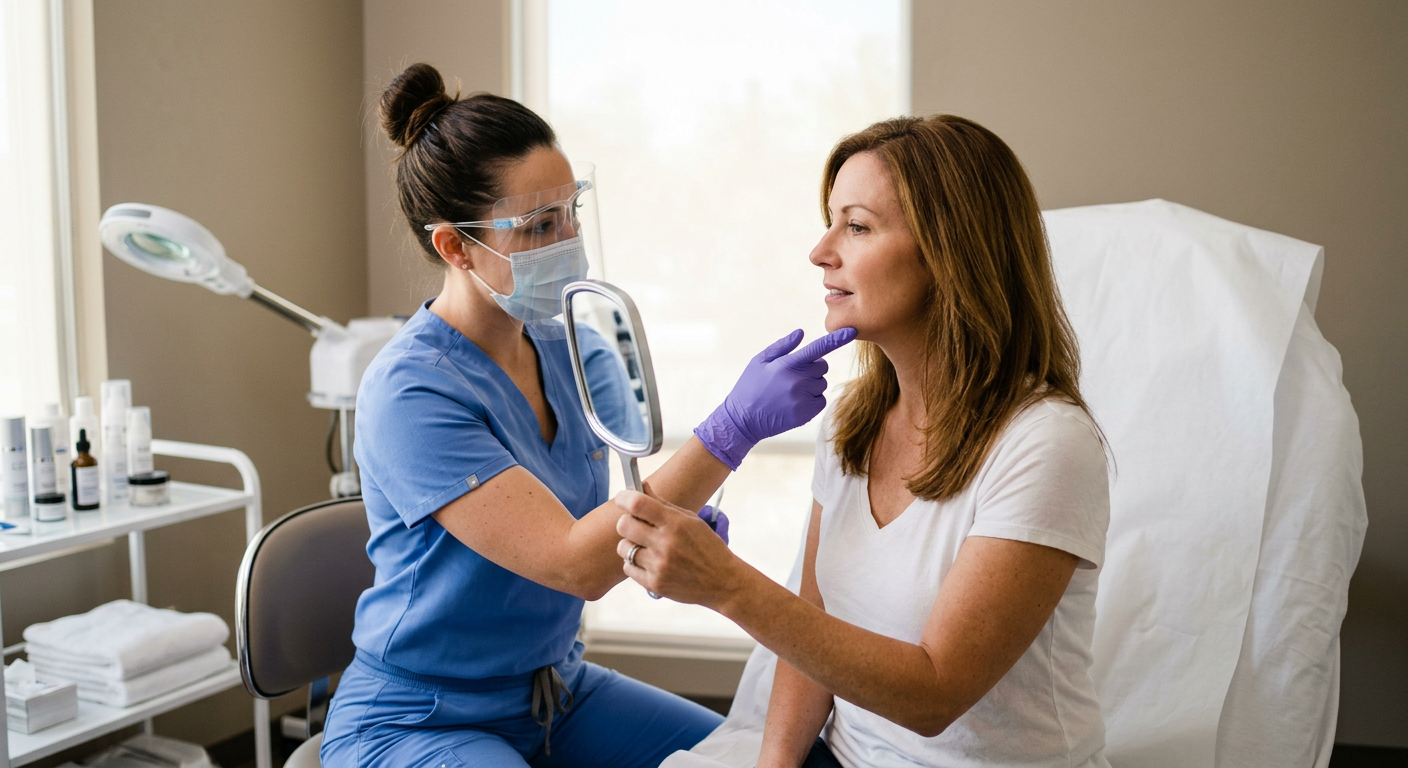
Fine facial hair is normal. The hair that often causes distress is terminal hair, which is darker, thicker, and more visible along the chin, upper lip, jawline, cheeks, sideburns, and neck.
Hormones can change how and where terminal hair appears. The FDA notes that PCOS may involve increased facial or body hair, acne, irregular periods, and scalp-hair thinning. Sudden or rapidly increasing facial hair, especially when it occurs with other hormonal symptoms, is a good reason to speak with a qualified medical provider while exploring cosmetic hair-removal treatment. (fda.gov)
Hair removal addresses visible growth. It does not diagnose or treat the underlying cause of hormonal changes. We encourage women with PCOS-related hair growth or a new pattern of coarse facial hair to treat both sides of the concern, medical support for overall health and a carefully planned hair-removal strategy for the hairs that affect confidence day to day.
Electrolysis for Permanent Facial Hair Removal
Electrolysis is usually the strongest option when the priority is permanent removal of individual facial hairs. A trained electrologist treats follicles one at a time with a fine probe and controlled energy, making it especially useful for detail work around the lip, chin, jawline, cheeks, and brows.
The Cleveland Clinic describes electrolysis as the only FDA-approved method for permanent hair removal. It can treat facial hair across skin tones and does not depend on dark pigment in the hair, which makes it a practical solution for blonde, gray, white, red, or fine hairs that laser may not reliably target. (my.clevelandclinic.org)
When Electrolysis Is the Better Fit
We often recommend electrolysis first when you have:
- A few persistent chin or upper-lip hairs
- Blonde, gray, white, red, or very fine facial hair
- PCOS-related hair growth with mixed colors and textures
- Residual hairs after laser treatment
- Sensitive skin that reacts poorly to repeated waxing or plucking
- A goal of permanent follicle-by-follicle removal
Electrolysis requires patience because each follicle is treated individually and hairs grow in cycles. That precision is also its advantage. Once a follicle has been successfully treated, it no longer needs to be part of your daily grooming routine. Learn more about our approach to permanent electrolysis hair removal and how we build treatment schedules around real facial-hair patterns.
What Electrolysis Feels Like and How to Prepare
Most clients feel a brief warmth, pinch, or tingling sensation. Comfort varies by facial area, hair coarseness, treatment length, and individual sensitivity, so we adjust pacing and appointment duration to create a plan you can maintain.
Mild redness is common after treatment. The Cleveland Clinic advises avoiding activities that may irritate follicles, including sweating, tanning, sun exposure, and makeup during the first 24 hours after electrolysis. That is especially important in the Greater Phoenix area, where intense sun exposure is part of everyday life. (my.clevelandclinic.org)
Laser Hair Removal for Dense, Dark Facial Hair
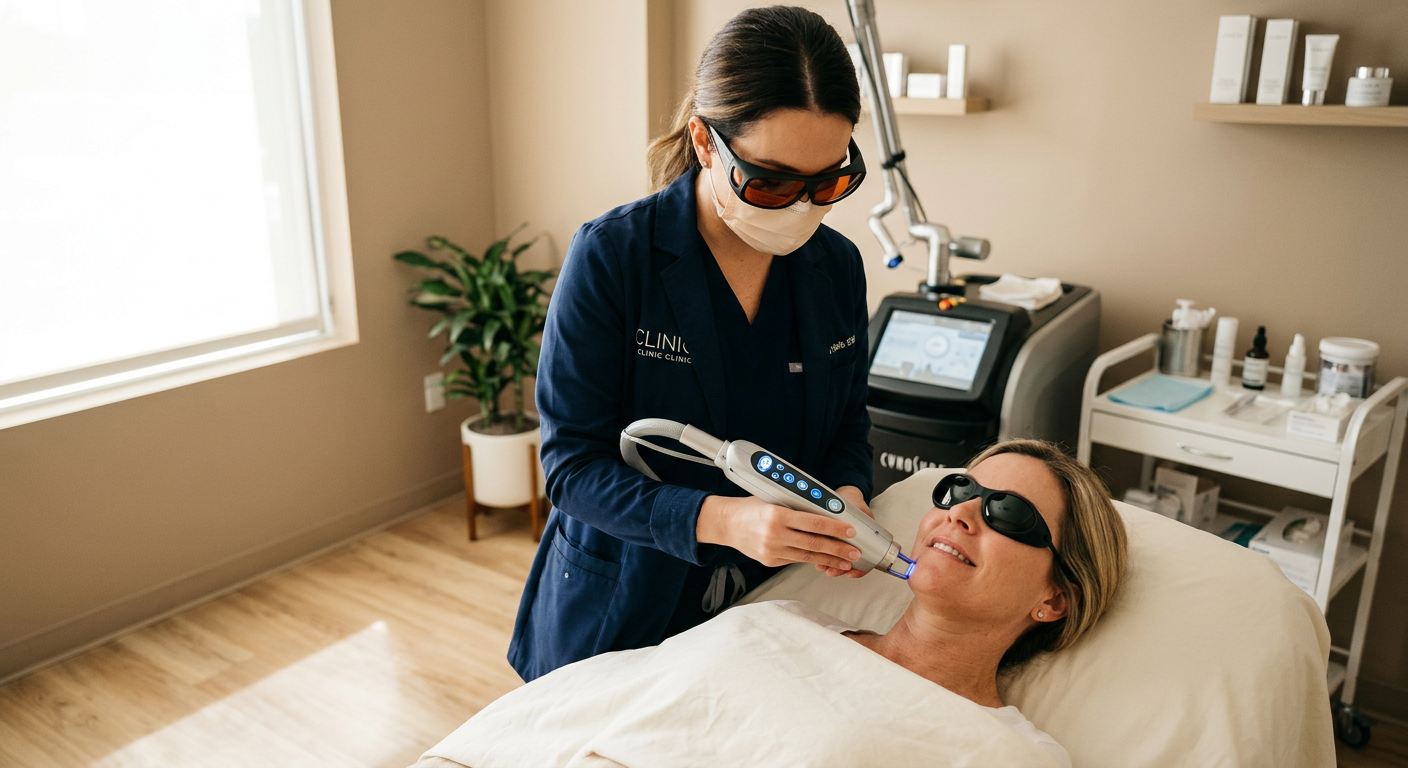
Laser hair removal can be an efficient starting point for women with dark, coarse, dense facial hair on the chin, jawline, and neck. It targets pigment in the hair, so it can reduce a broad area faster than treating every follicle individually.
Laser is best described as long-term or permanent hair reduction, rather than a promise to permanently remove every hair. FDA-cleared laser systems define permanent hair reduction as a long-term, stable reduction in regrowth measured at 6, 9, and 12 months after a treatment regimen. (accessdata.fda.gov)
When Laser May Be a Smart First Step
Laser may be a good fit if your facial hair is mostly dark, coarse, and dense. It can reduce the overall volume of hair, then electrolysis can clear the lighter or scattered hairs that remain.
The Endocrine Society's clinical guidance suggests photoepilation for unwanted auburn, brown, or black hair and electrolysis for white or blonde hair. It also emphasizes the importance of appropriate laser selection and cooling for women of color. (endocrine.org)
For Phoenix clients, sun exposure, recent tanning, medications, skin sensitivity, and hair color all matter before treatment. Our Phoenix laser hair removal services focus on personalized settings and honest guidance about what laser can, and cannot, accomplish for facial hair.
A More Effective Plan for Hormonal Facial Hair
For many women, the best answer is not choosing between laser and electrolysis forever. It is using the right modality at the right stage, especially when PCOS, perimenopause, menopause, or other hormonal changes have created a mix of coarse and fine facial hairs.
A practical sequence often looks like this:
- Reduce dense dark growth with laser when the hair and skin characteristics make laser a good candidate.
- Use electrolysis for persistent, light, fine, or isolated hairs that need permanent precision.
- Reassess as hormones change because new follicles can become active even after previously treated follicles are cleared.
This approach respects the fact that facial hair is not static. It can change with medication, stress, pregnancy planning, PCOS management, and different life stages. We create customized plans rather than selling one-size-fits-all packages, which is why women across the Valley continue to seek experienced guidance at Senza Pelo Med Spa.
Why Temporary Facial Hair Removal Often Creates More Work
Shaving, waxing, threading, and tweezing can all be useful in the short term. They can also leave women caught in a frustrating loop of irritation, visible regrowth, appointment scheduling, and concern about ingrown hairs or dark marks.
Shaving does not make hair grow back thicker or create new follicles. It can, however, leave a blunt hair tip that feels rough as it grows out. Tweezing, threading, and waxing remove hair temporarily, but repeated pulling can be uncomfortable for sensitive facial skin and makes it harder to keep a consistent treatment plan when you are preparing for electrolysis.
Long-term treatment is not about eliminating every grooming choice overnight. It is about reducing the number of hairs that demand your attention. For clients experiencing irritation, razor bumps, or uneven texture from hair-removal routines, our Phoenix med spa skin services can support a healthier skincare routine alongside facial hair treatment.
Questions Women Ask About Facial Hair Removal
Does shaving facial hair make it grow back thicker?
No. Shaving does not change the number of follicles, growth rate, color, or thickness of hair. A freshly shaved hair has a blunt edge, which can make regrowth look or feel more noticeable for a short time.
Is electrolysis effective for PCOS facial hair?
Yes, electrolysis can permanently remove successfully treated follicles affected by PCOS-related facial hair growth. PCOS can activate new follicles over time, so some women need maintenance treatment and medical care alongside their hair-removal plan.
Can laser remove chin hair permanently?
Laser can create significant long-term reduction in dark, coarse chin hair. Because facial hair is often hormonally influenced, periodic maintenance may be needed, and electrolysis is frequently used to finish lighter or remaining hairs.
What is best for blonde, gray, white, or red facial hair?
Electrolysis is usually the best professional option because it does not require pigment in the hair. Laser depends on pigment, so very light hairs generally do not respond predictably.
How many electrolysis appointments will I need?
There is no honest single number. Your timeline depends on the size of the area, hair density, coarseness, hormones, previous removal habits, and appointment consistency. A consultation helps us set a starting schedule and adjust it as your hair pattern changes.
Can facial hair removal help reduce ingrown hairs?
Yes, reducing the hairs that repeatedly curl back into the skin can help interrupt the ingrown-hair cycle. We also discuss aftercare and skincare habits because picking, aggressive exfoliation, and irritating products can worsen redness and discoloration.
Start With a Plan Built for Your Skin and Hair
You do not have to keep organizing your week around tweezing, shaving, threading, or hiding facial stubble. A professional consultation can clarify whether electrolysis, laser hair removal, or a combined plan offers the most efficient long-term path for your facial hair, skin tone, and comfort level.
Call (602) 246-1966 to schedule a consultation with our Phoenix team. You can also Schedule Your Appointment online and begin with a personalized plan for smoother skin and less daily maintenance.
A Lasting Alternative to Daily Facial Hair Removal
The right facial hair removal treatment depends on the type of hair you have and the result you want. Laser can efficiently reduce dark, coarse growth across larger areas, while electrolysis offers permanent precision for every hair color and skin tone.
For women in Phoenix and across the Greater Phoenix area, the goal is not simply to remove hair for a few days. It is to create a thoughtful, long-term solution that helps you feel more comfortable in your skin, with fewer appointments, fewer temporary fixes, and less time spent worrying about your reflection.
About Senza Pelo Med Spa
Senza Pelo Med Spa has been serving Phoenix since 1982 and is one of Arizona’s most experienced providers of Electrolysis, Laser Hair Removal, and Permanent Hair Removal services.
We specialize in helping clients achieve long-term results through customized treatment plans, advanced technology, and personalized care.
Call (602) 246-1966 or Book Your Appointment Online today.